



Essential Website Security Practices Every Business Should Follow

Essential Security Practices to Keep Your Website Safe in 2025
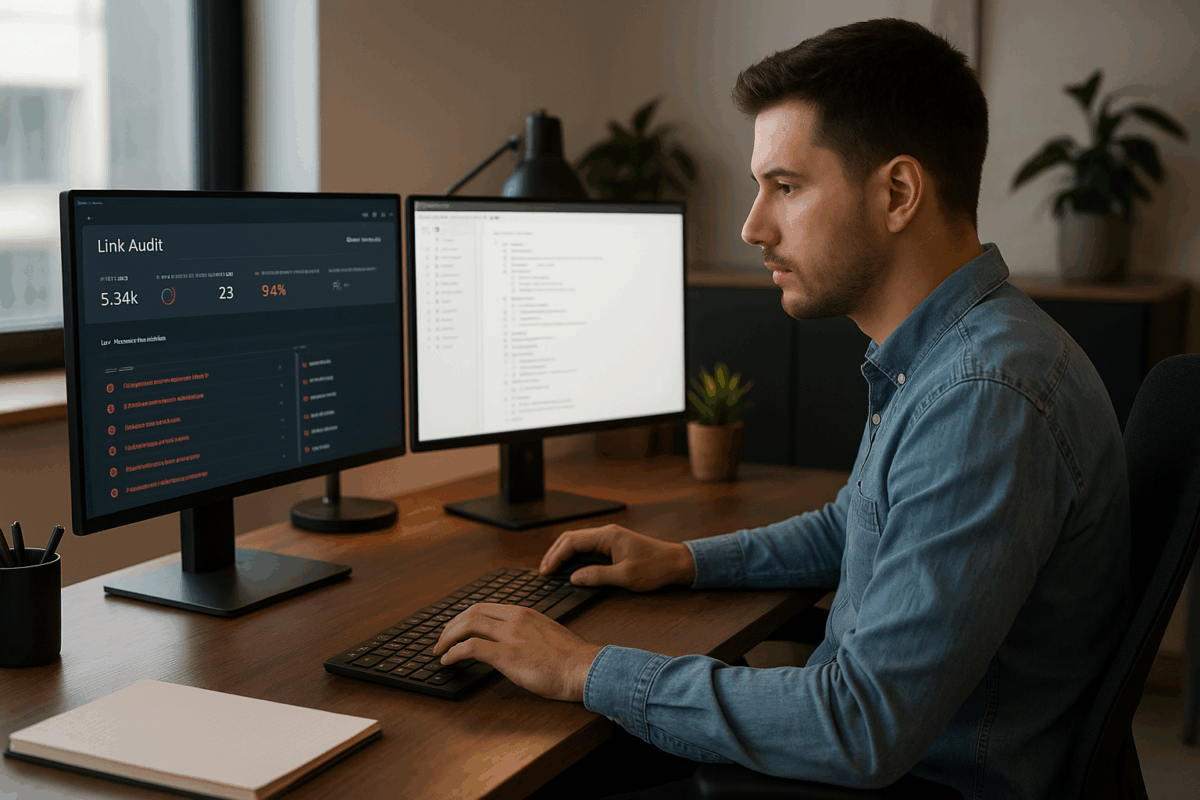
Broken links are one of the most common yet most ignored problems on websites. Whether you run a small business website, an IT company website, or a large e-commerce store, broken links can silently damage your SEO performance, user experience, and brand trust. Regular link audits have now become an essential part of website maintenance to ensure every page works smoothly.
What are broken links?
A broken link is a hyperlink that leads to a webpage that no longer exists or shows an error such as 404 – Page Not Found. These can occur when pages are deleted, moved without redirects, or when external websites change their URLs.
How broken links affect your website?
- Bad user experience: When users click a link and land on an error page, they get frustrated and may leave your site.
- Lower search engine ranking: Google treats broken links as a sign of poor website health and may reduce your visibility.
- Loss of conversions: A broken checkout link, a form link, or a service page link can directly impact your sales or inquiries.
- Crawling issues: Broken internal links can confuse search engine bots and reduce your indexing efficiency.
Common causes of broken links
- Deleting old content without setting redirects.
- Changing URLs or slugs during redesigns.
- External websites shutting down or updating their URLs.
- Incorrectly typed URLs.
- Expired resources such as PDFs or media files being removed.
How to prevent broken links
The best approach to preventing broken links is conducting regular link audits. Tools like Screaming Frog, Google Search Console, SEMrush, and Ahrefs can easily identify all internal and external broken links. Once detected, you can fix them by:
- Updating the URL to a correct page.
- Removing outdated links.
- Adding 301 redirects for moved pages.
- Replacing external sources with updated ones.
The importance of consistent link audits
Most businesses update their websites frequently—adding blog posts, launching new pages, deleting outdated content, or revamping their navigation. During these updates, broken links naturally occur. A monthly or quarterly broken link audit ensures your website remains:
- User-friendly
- SEO-optimized
- Error-free
- Professional and trustworthy
Impact on SEO & brand image
Your website reflects your brand. When users keep landing on non-working pages, it signals poor quality and lack of maintenance. Search engines also interpret broken links as signs of negligence or outdated content. Maintaining link health is therefore not just a technical task but a branding decision as well.
Conclusion
Broken links might seem like a small issue, but they can significantly weaken your website’s performance. Regular link audits and proper maintenance ensure a smoother experience for both users and search engines. If you want your website to stay healthy, ranking well, and converting visitors into customers, fixing broken links should be a top priority in your maintenance routine.