



How Regular Software Updates Keep Your Website Secure and Running Smoothly
Essential Website Security Practices Every Business Should Follow
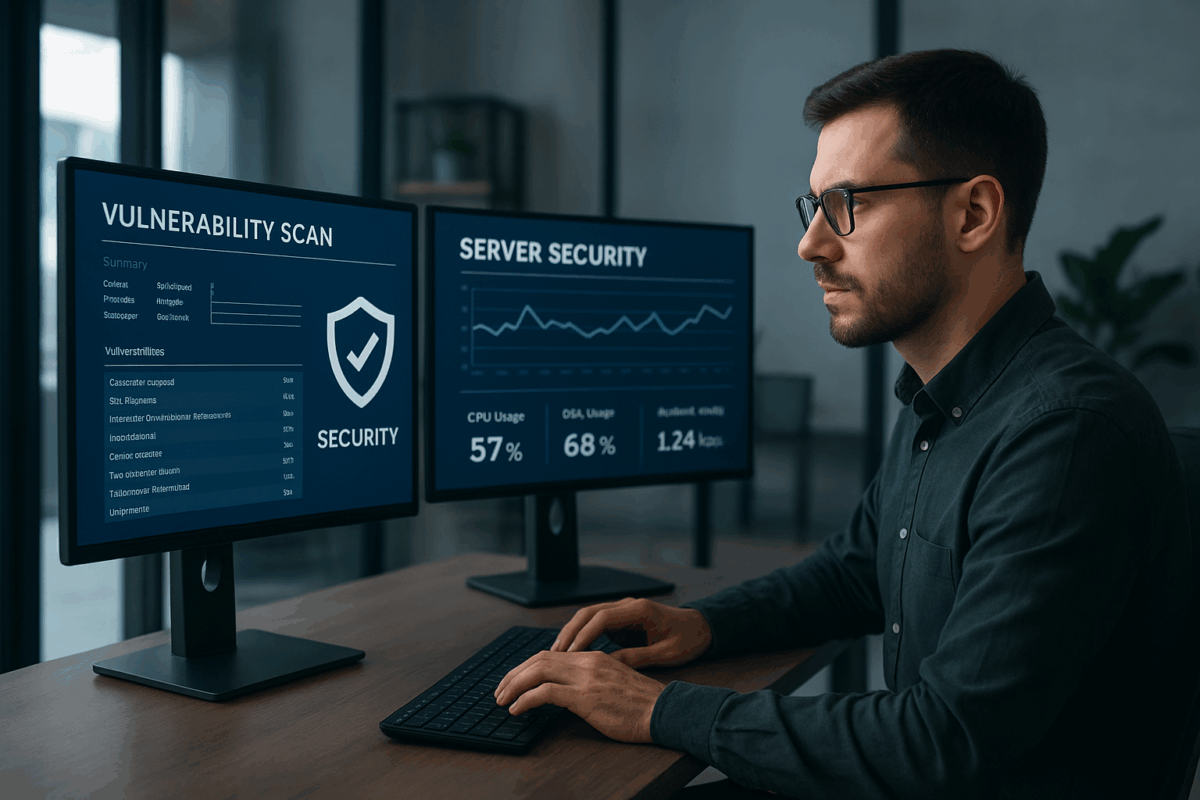
Website security is no longer an optional task—it is a critical responsibility for every business with an online presence. In 2025, cyber threats are evolving at an unprecedented pace, targeting websites of all sizes. Regular security audits have become the most effective method to detect vulnerabilities before hackers exploit them. A well-executed audit ensures that your site remains secure, reliable, and compliant with modern digital standards.
What is a website security audit?
A website security audit is a detailed evaluation of your site’s infrastructure, server settings, plugins, themes, codebase, and user access levels. The goal is to identify security weaknesses, outdated components, or misconfigurations that may expose the website to attacks. Security audits combine automated scanning tools with expert manual reviews to provide a complete view of your website’s health.
Why security audits matter
Every year, millions of websites are compromised due to weak security practices. Hackers use automated bots to scan the internet for vulnerable platforms, making even small websites a target. A security breach can lead to data theft, loss of SEO rankings, downtime, and damage to brand reputation. Regular security audits help prevent such issues before they escalate.
Key elements examined during a security audit
- Vulnerability scanning: Tools scan the website for known issues such as SQL injections, cross-site scripting, and weak passwords.
- Server configuration review: Ensures the hosting environment is secure and follows best practices.
- Plugin and theme inspection: Outdated or poorly coded extensions are common entry points for attackers.
- Malware detection: Identifies malicious scripts or unauthorized file modifications.
- SSL and encryption check: Confirms that data transmitted through the site is secure.
Common vulnerabilities found during audits
Security audits often uncover issues that business owners never realize existed. Compromised admin accounts, outdated software versions, insecure APIs, exposure of sensitive files, and weak database credentials are among the most common discoveries. Even a single vulnerability can put the entire website at risk.
Benefits of regular website security audits
- Prevents data breaches: Early detection of issues stops hackers before damage occurs.
- Protects customer trust: A secure website reassures visitors that their information is safe.
- Improves performance: Identifying harmful scripts or unnecessary plugins increases site speed.
- Enhances SEO: Search engines prioritize secure websites and penalize hacked ones.
- Ensures compliance: Audits help businesses meet legal requirements like GDPR and PCI DSS.
How often should you perform a security audit?
Experts recommend performing a complete security audit at least once every three months. However, high-traffic websites, e-commerce platforms, or websites with frequent updates may require monthly audits. Businesses should also run immediate audits after installing new plugins, updating themes, or migrating servers.
Best practices to maintain website security
- Use strong, unique passwords and enable two-factor authentication.
- Regularly update your CMS, plugins, and themes.
- Install a firewall to block malicious traffic.
- Keep daily backups of your website.
- Monitor user activities and access logs.
Conclusion
Regular website security audits are essential for safeguarding your digital assets. They provide a proactive approach to identifying vulnerabilities, maintaining customer trust, and ensuring long-term website stability. In an era where cyber threats are becoming increasingly sophisticated, prioritizing website security is not just smart—it’s necessary.