



How Regular Plugin & Software Updates Keep Your Website Secure

Website Maintenance Checklist for 2025: Keep Your Site Secure, Fast, and Reliable

Why Website Updates Are No Longer Optional in 2025
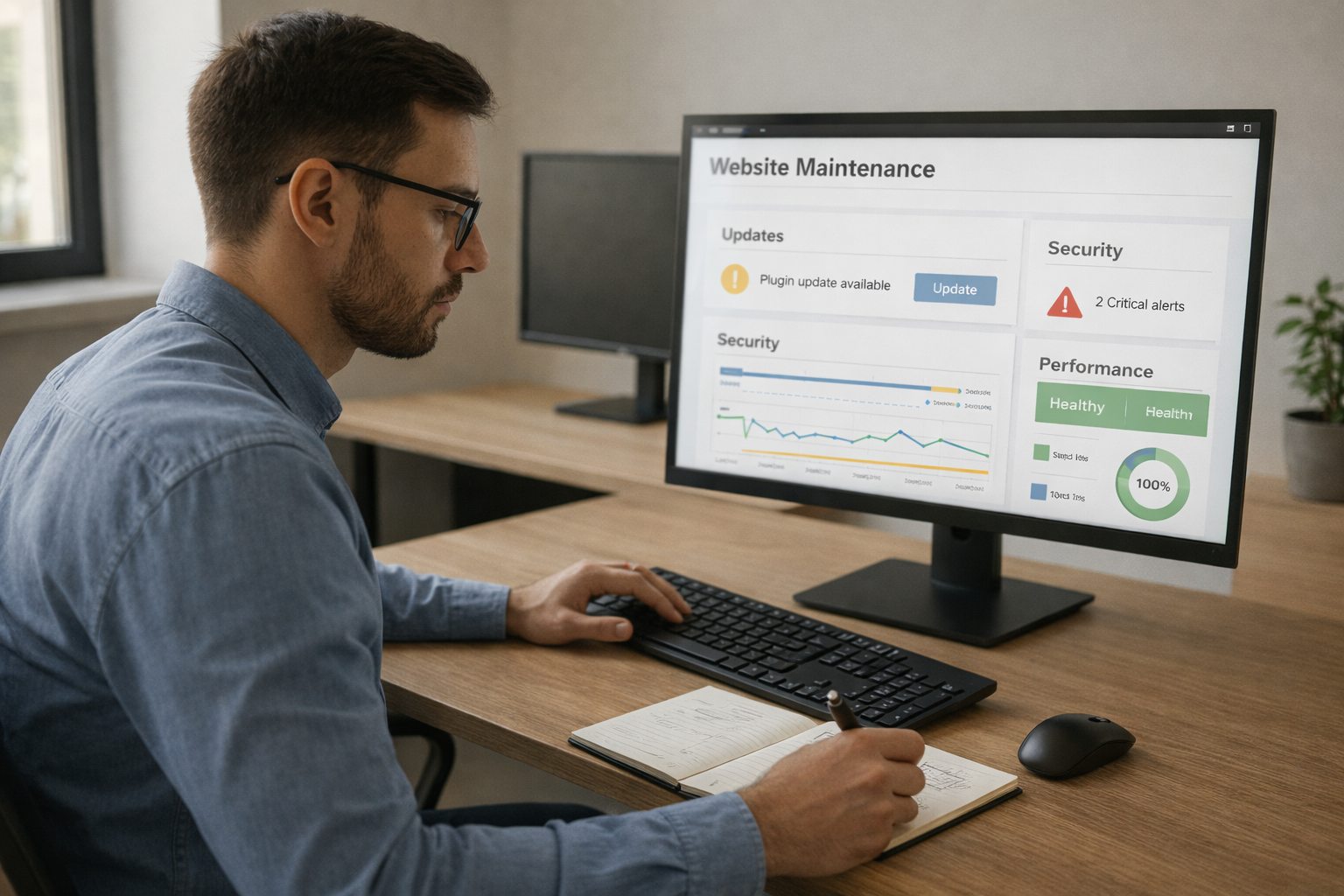
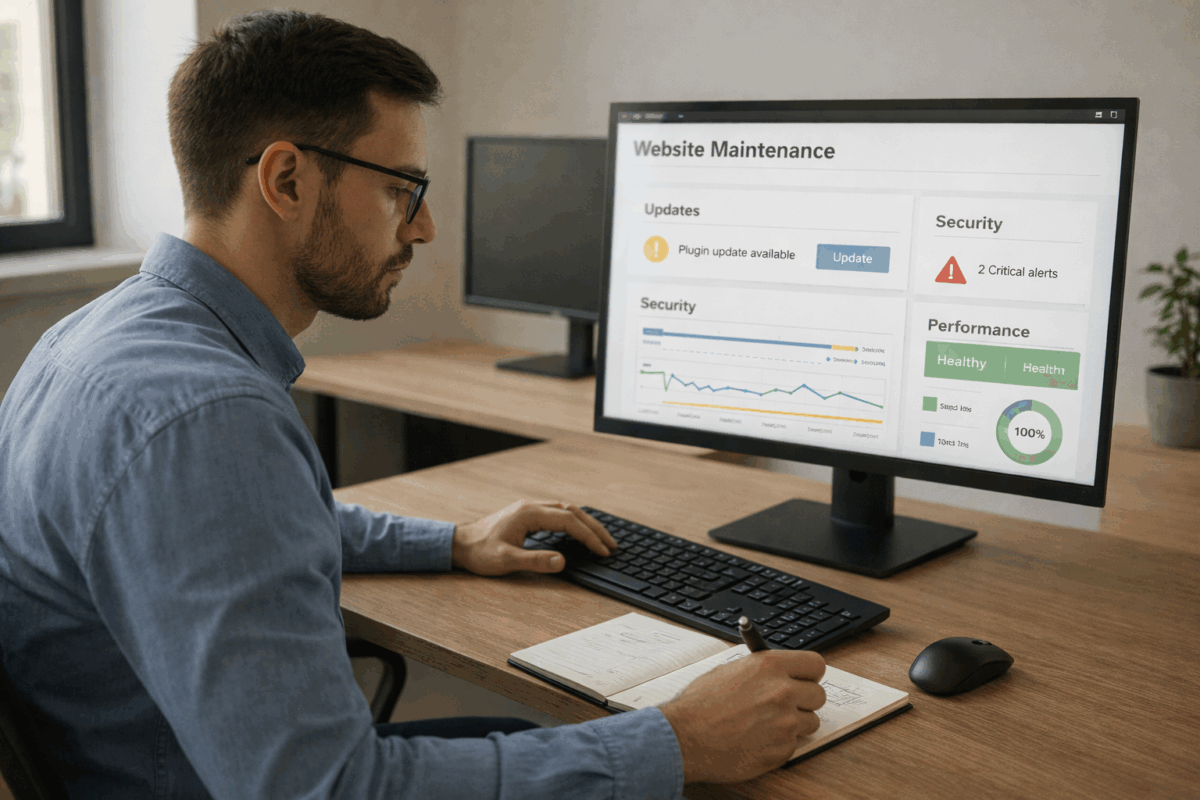
In today’s fast-moving digital environment, a website cannot be treated as a one-time project. Technology evolves rapidly, cyber threats become more sophisticated, and user expectations continue to rise. Regular website updates play a crucial role in maintaining security, improving performance, and ensuring a smooth user experience. Businesses that neglect updates often face slow loading speeds, security vulnerabilities, and compatibility issues that directly impact customer trust.
Website updates include more than just visual changes. They involve updating content management systems (CMS), plugins, themes, scripts, security patches, and performance optimizations. Each update strengthens the foundation of your website and ensures it continues to function efficiently across devices and browsers.
The Security Benefits of Regular Website Updates
Cybersecurity threats are increasing every year, and outdated websites are the easiest targets. Hackers actively search for websites running older versions of CMS platforms or plugins with known vulnerabilities. When updates are ignored, attackers can exploit security gaps to inject malware, steal user data, or take complete control of the website.
By applying regular updates, security patches are installed that fix known weaknesses. Updated websites also benefit from improved firewall rules, better authentication methods, and stronger encryption protocols. These protections are essential for safeguarding sensitive customer information and maintaining compliance with data protection regulations.
Performance Improvements Through Updates
Website performance directly affects user engagement and conversion rates. Regular updates optimize code, remove outdated scripts, and improve loading speed. Modern updates often include performance enhancements such as database optimization, reduced server load, and improved caching mechanisms.
Search engines prioritize fast and reliable websites. When updates improve speed and responsiveness, your site ranks better in search results. A faster website also reduces bounce rates, keeps users engaged longer, and creates a more professional brand impression.
Compatibility with Modern Browsers and Devices
Browsers and operating systems are updated frequently. Websites that are not maintained may break or display incorrectly on newer devices. Regular updates ensure compatibility with the latest browsers, mobile devices, and screen resolutions, allowing users to enjoy a consistent experience regardless of how they access your website.
This is especially important in 2025, as mobile usage continues to dominate online traffic. Updated websites remain responsive, accessible, and visually appealing across all platforms.
Preventing Costly Downtime
Website downtime can be expensive and damaging to brand reputation. Many outages occur because of outdated software or failed updates that were not tested properly. Proactive website maintenance reduces the risk of unexpected downtime by identifying issues early and resolving them before they escalate.
Regular updates also make backups more reliable. When systems are up to date, restoring a website after an issue becomes faster and less stressful.
Best Practices for Website Updates
- Schedule routine updates for CMS core, themes, and plugins.
- Use a staging environment to test updates before applying them live.
- Perform backups before every update.
- Monitor website performance after updates.
- Remove unused plugins and scripts to reduce security risks.
Conclusion
Regular website updates are essential for maintaining security, performance, and user trust. In 2025, businesses that prioritize website maintenance gain a competitive advantage by offering fast, secure, and reliable digital experiences. Investing time and resources into consistent updates protects your website from threats, improves SEO rankings, and ensures long-term stability.