




Website Maintenance Checklist for 2025: Keep Your Site Secure, Fast, and Reliable

Common Website Maintenance Mistakes That Can Hurt Your Business in 2025
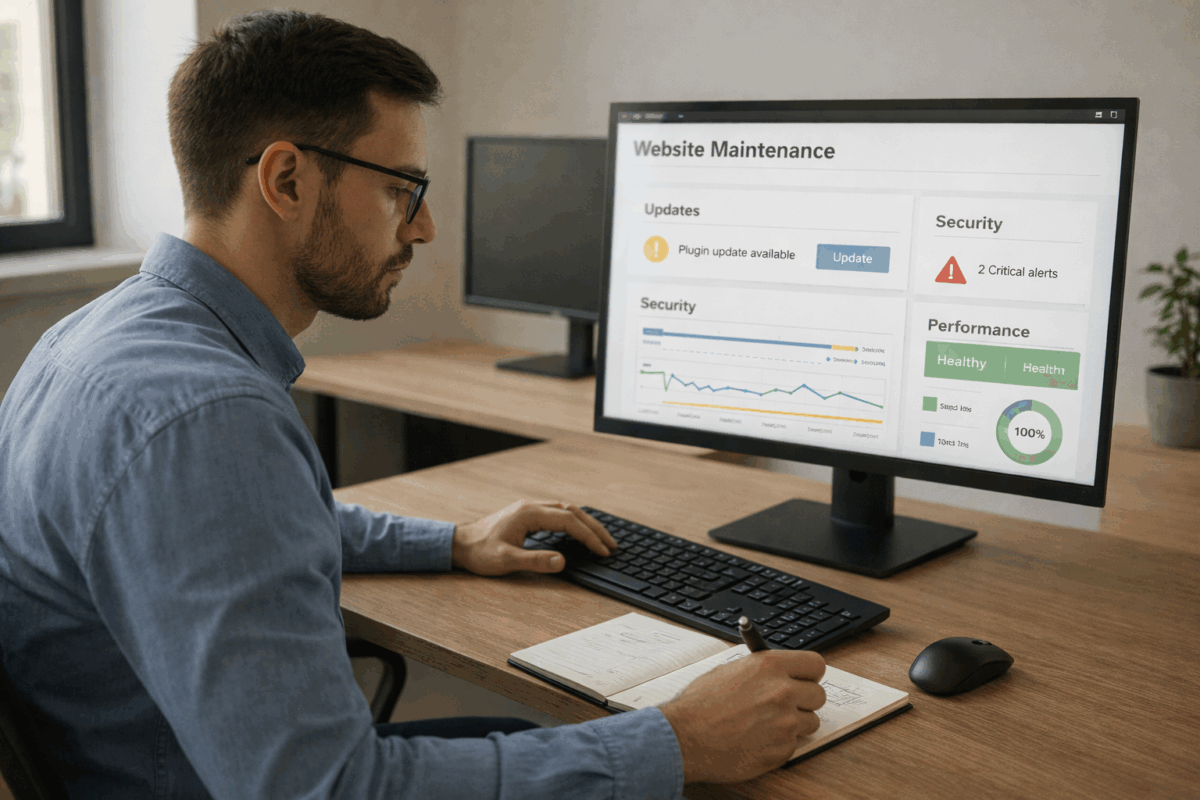
A website is not a one-time project. Once it goes live, regular maintenance is essential to keep it secure, fast, and fully functional. Many businesses focus on design and development but ignore ongoing maintenance, which can lead to slow performance, security vulnerabilities, broken pages, and poor user experience. A structured website maintenance checklist helps businesses avoid these issues and ensures long-term website health.
Why website maintenance is important
Websites operate in an ever-changing digital environment. Browsers update, plugins release new versions, security threats evolve, and user expectations increase. Without regular maintenance, even a well-built website can become outdated and vulnerable. Maintenance ensures your website remains reliable, trustworthy, and optimized for both users and search engines.
- Improved security: Protects your website from malware and hacking attempts.
- Better performance: Faster loading speeds improve user satisfaction.
- SEO stability: Well-maintained sites rank better in search engines.
- Reduced downtime: Prevents unexpected website crashes.
- Positive user experience: Keeps content accurate and functional.
Regular website backups
Website backups are the foundation of effective maintenance. Regular backups ensure that your website can be restored quickly in case of data loss, hacking, or server failure. Automated daily or weekly backups are recommended, with secure offsite storage for maximum safety.
Updating CMS, plugins, and themes
Outdated software is one of the biggest security risks for websites. Content management systems like WordPress, along with plugins and themes, release updates to fix bugs and patch vulnerabilities. Keeping everything updated ensures compatibility, improves performance, and protects your website from known threats.
Security monitoring and protection
Website security should never be ignored. Maintenance includes scanning for malware, monitoring login activity, enforcing strong passwords, and using firewalls or security plugins. SSL certificates should also be checked regularly to ensure encrypted data transmission.
Performance optimization
Slow websites drive users away. Performance optimization involves checking page load speeds, optimizing images, cleaning databases, and enabling caching. Regular performance audits help identify bottlenecks and keep your website running smoothly across all devices.
Fixing broken links and errors
Broken links and 404 errors negatively affect user experience and SEO. Website maintenance includes scanning for broken internal and external links and fixing them promptly. Error-free navigation keeps visitors engaged and improves credibility.
Content review and updates
Outdated content can confuse users and reduce trust. Regular content reviews ensure that information such as services, contact details, pricing, and blog posts remain accurate. Updating content also signals freshness to search engines, improving rankings.
Uptime monitoring
Website downtime can result in lost leads and revenue. Uptime monitoring tools alert you immediately if your website goes offline. Quick response minimizes downtime and ensures uninterrupted access for users.
Testing forms and functionality
Contact forms, payment gateways, and interactive elements should be tested regularly. A broken form can silently block customer inquiries or sales. Maintenance ensures all features work as intended after updates or changes.
Website maintenance frequency
- Daily: Security monitoring and uptime checks
- Weekly: Backups and basic performance review
- Monthly: Updates, content review, and link checks
- Quarterly: Full website audit and optimization
Conclusion
Website maintenance is an ongoing process that protects your digital investment. By following a structured maintenance checklist, businesses can ensure their websites remain secure, fast, and user-friendly. Regular maintenance not only prevents problems but also improves performance, search visibility, and customer trust over time.