



How Regular Plugin Updates Protect Your Website from Security Threats

How Website Performance Audits Improve Speed, Security & User Experience
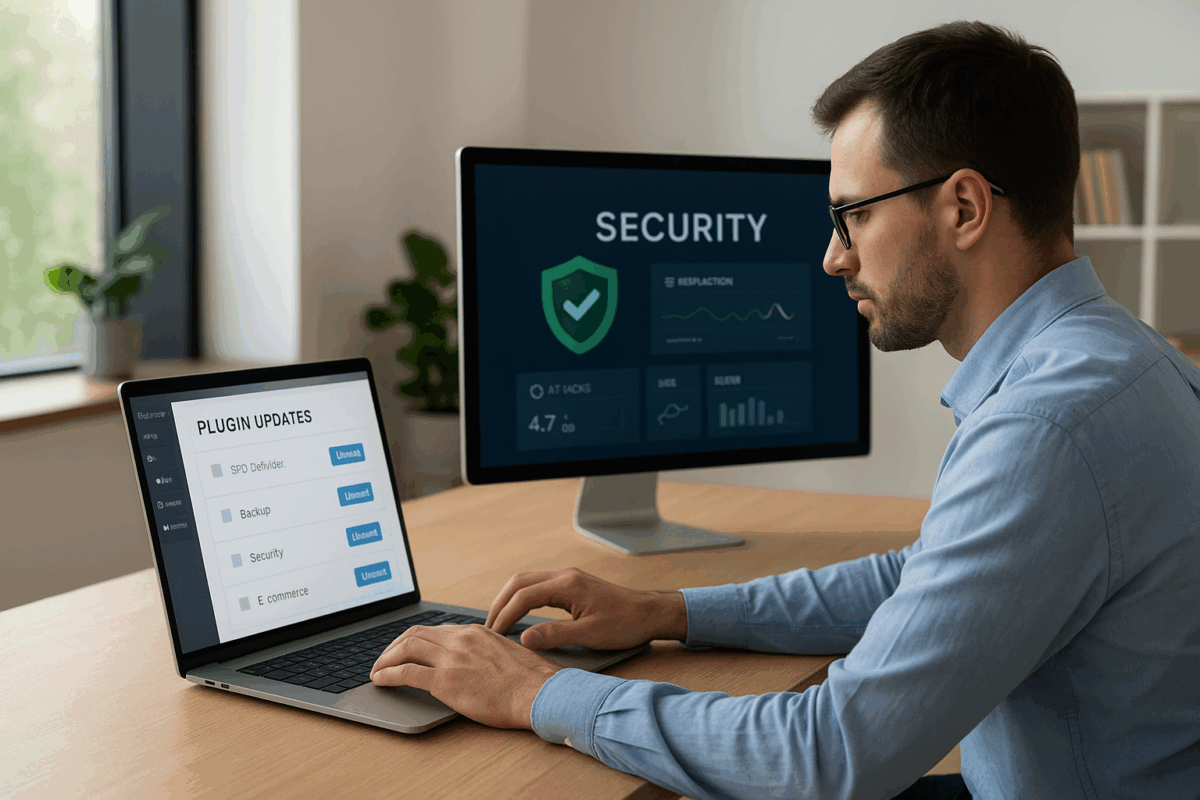
Why Regular Plugin Updates Are Critical for Website Security
Website security has become more important than ever as online threats continue to increase every single year.
Whether you are running a small business website, an online store, or a large-scale platform, the plugins
you rely on play a direct role in protecting your site from cyber-attacks. When plugins become outdated,
they turn into easy entry points for hackers looking to exploit vulnerabilities.
Regular plugin updates ensure your site stays compatible with the latest versions of content management systems
like WordPress. Developers push security patches to fix newly discovered flaws, improve stability, and enhance
performance. Skipping these updates means missing out on these essential fixes which can lead to slow loading
times, broken functionalities, or even complete site compromise.
Security Risks of Outdated Plugins
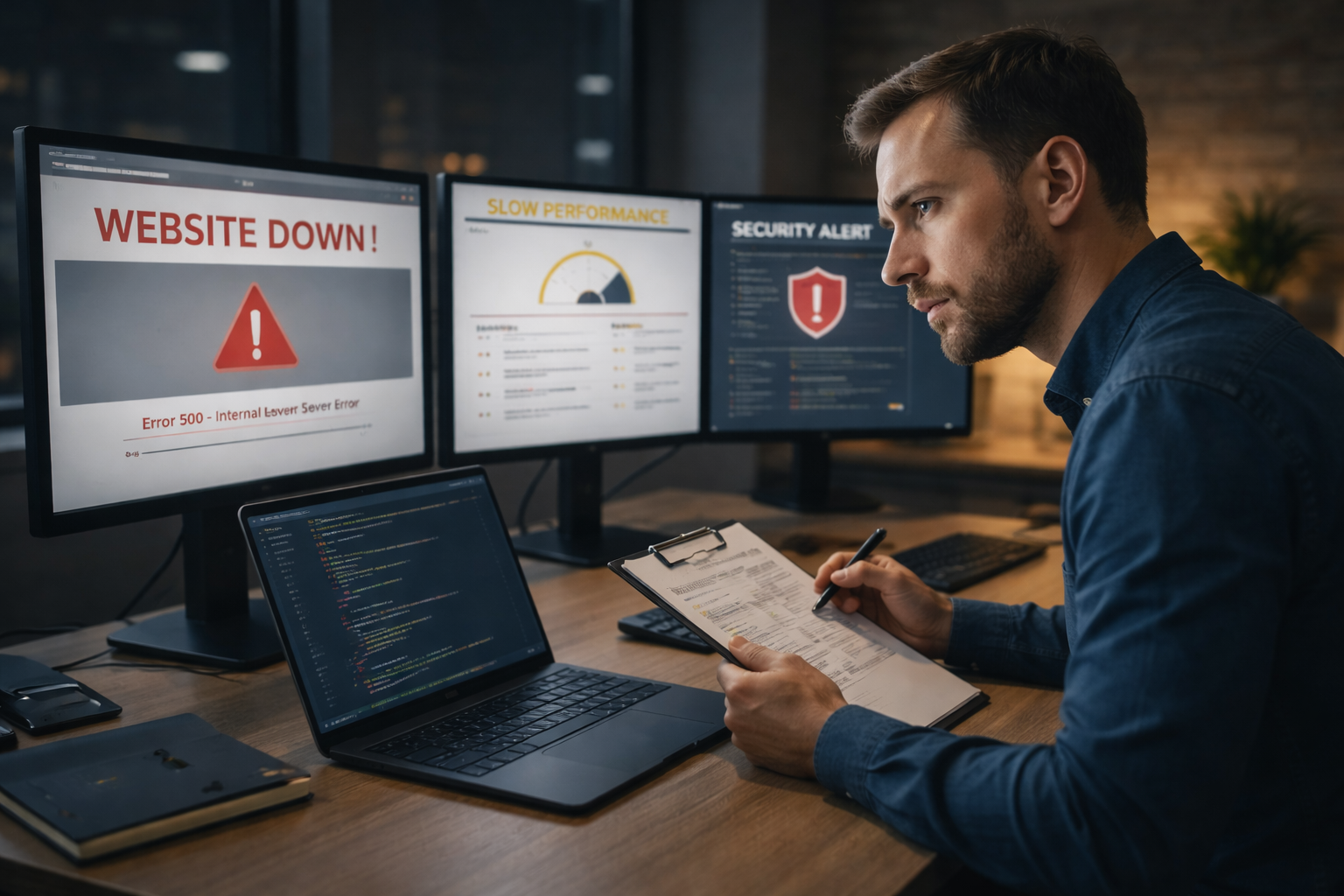
One of the biggest dangers of outdated plugins is the high risk of malware injection. Hackers constantly scan
the internet for websites using older versions of plugins with known vulnerabilities. Without proper updates,
your site becomes a target for attacks such as SQL injections, brute-force attempts, ransomware, and phishing scripts.
These security breaches can lead to severe consequences, including loss of sensitive customer data,
blacklisting by search engines, and long-term damage to your brand reputation.
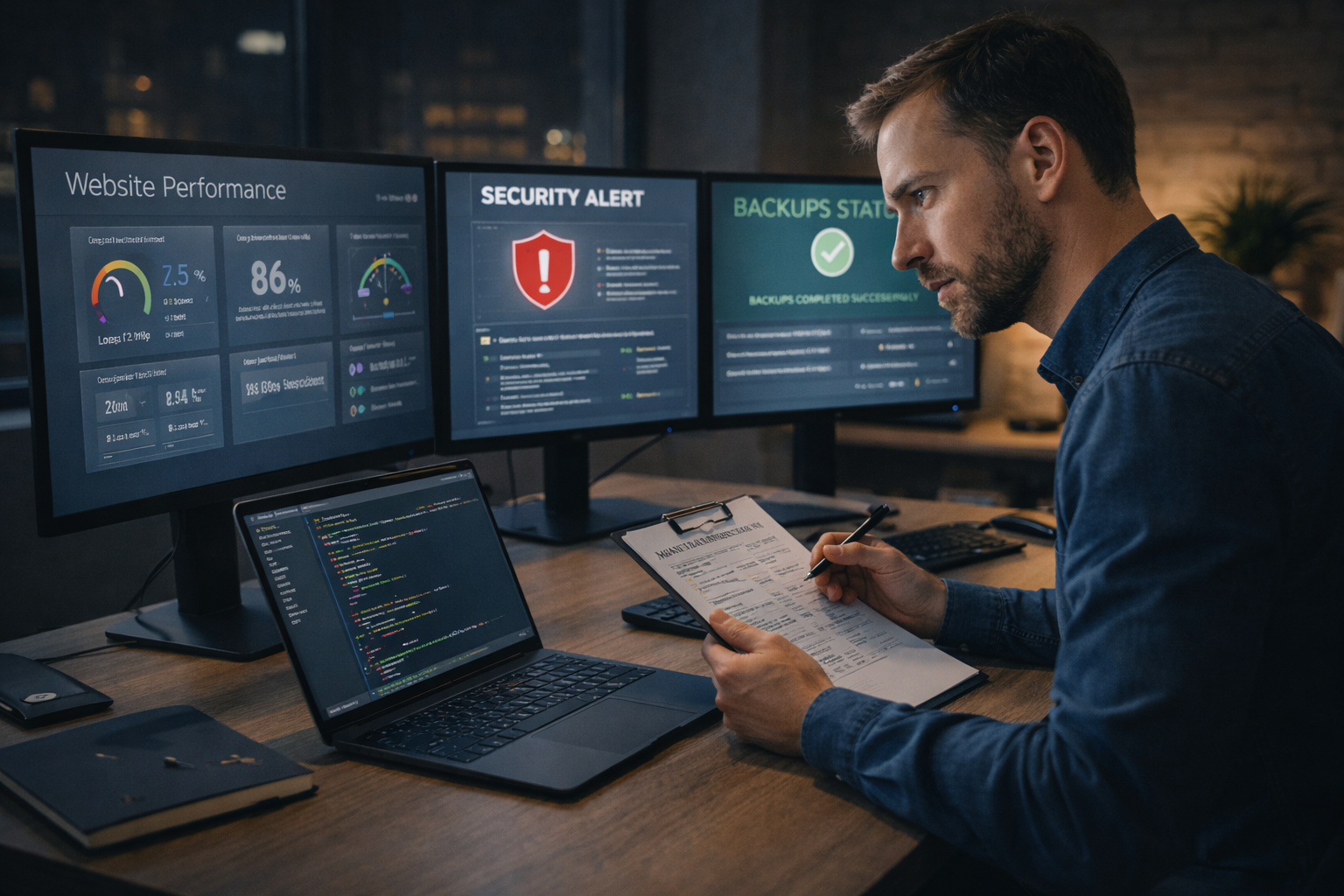
Regular maintenance and updates help ensure your website is protected by the latest security enhancements.
Performance Benefits of Updated Plugins
Apart from security, plugin updates also improve your website’s performance. Developers regularly introduce
optimizations that make plugins faster, lighter, and more efficient. Outdated plugins can slow down your website,
negatively affecting user experience and search engine rankings.
Updated plugins are also more compatible with new themes, hosting environments, and server technologies.
This ensures your site runs smoothly and maintains optimal performance across all devices.
Ensuring Long-Term Website Stability
Websites with outdated plugins often experience unexpected crashing, broken layouts, or compatibility issues
after major platform updates. Regular maintenance prevents these problems and ensures your website remains
stable and reliable.
Professional website maintenance services always include scheduled plugin updates, performance audits,
and security scans. This proactive approach ensures your website stays protected, functional,
and ready to support your business growth.
In conclusion, updating plugins is not just a technical task—it’s a core part of maintaining
a secure, fast, and reliable website. Ignoring plugin updates can put your business at risk, while staying
proactive strengthens your digital presence and protects your users.