



How Broken Links Hurt Your Website & Why Regular Audits Are Important

How Regular Plugin Updates Protect Your Website from Security Threats
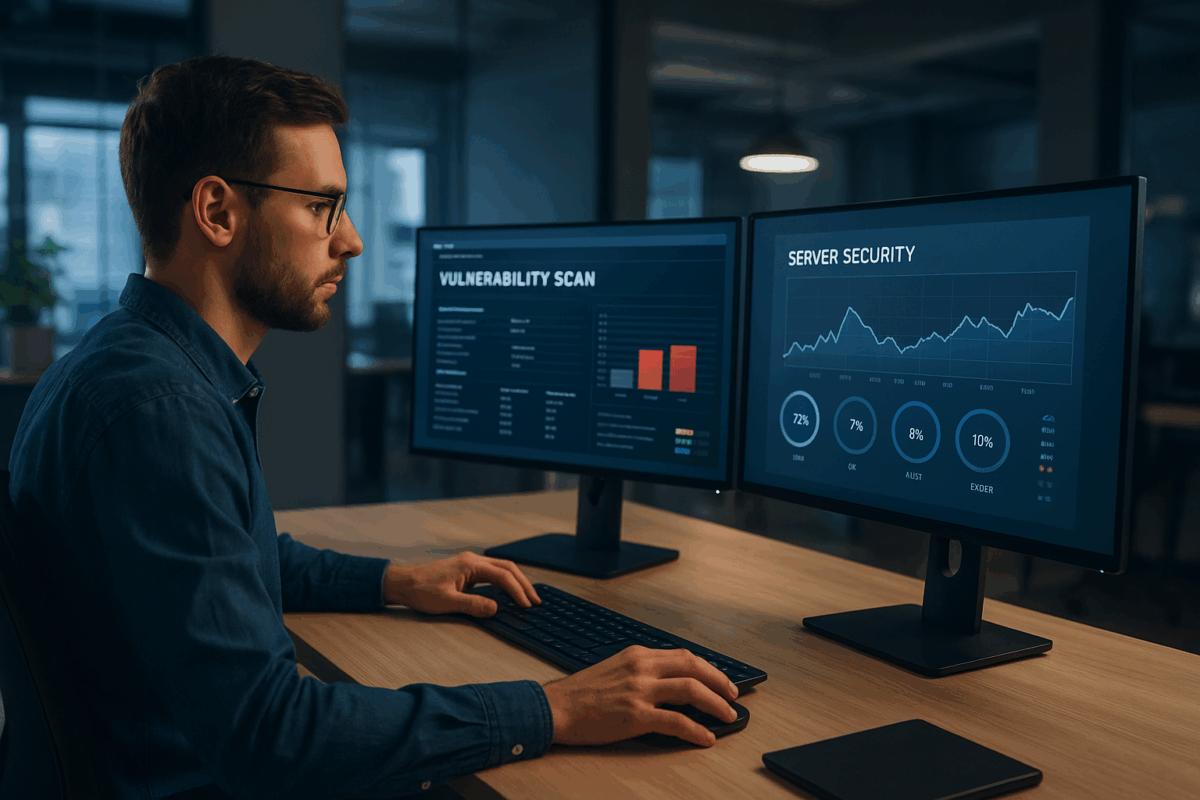
In 2025, website security has become one of the most critical responsibilities for any business that operates online. With cyber threats evolving at a faster pace than ever before, website owners must take proactive steps to protect their digital assets. Hackers today use advanced tools, automated bots, and AI-driven attacks to exploit vulnerabilities in websites. This is why implementing strong and regular security practices is essential for maintaining the trust of your customers and ensuring uninterrupted website performance.
Why website security matters
A single security breach can lead to significant financial loss, stolen customer data, damaged reputation, and extended downtime. Studies show that 64% of small businesses face cyberattacks annually, and many never fully recover. Strong security practices prevent unauthorized access, protect sensitive data, and ensure compliance with global privacy regulations.
Common threats websites face today
- Malware Injections: Hackers insert malicious code into a website to damage systems or steal data.
- DDoS Attacks: Flooding a site with traffic until it becomes unavailable to legitimate users.
- SQL Injection: Injecting harmful queries into your database through insecure input fields.
- Brute-Force Attacks: Automated attempts to guess passwords and gain admin access.
- Cross-Site Scripting (XSS): Injecting malicious scripts to hijack user sessions.
Essential security practices every website needs
- Enable SSL Certificates: SSL encrypts data transfer between your website and users. Modern browsers now flag non-SSL websites as unsafe.
- Use Web Application Firewalls (WAF): Firewalls block malicious traffic, bots, and automated attacks before they reach your server.
- Keep your CMS and plugins updated: Outdated software is one of the biggest sources of vulnerabilities.
- Implement strong password policies: Require strong passwords and use two-factor authentication for admin areas.
- Regular vulnerability scanning: Scan your website weekly to detect weaknesses before hackers find them.
- Take scheduled backups: Backups ensure that your website can be restored instantly after an attack.
- Limit admin access: Only allow trusted team members to access backend systems.
- Monitor website activity: Track login attempts, file changes, and suspicious behavior in real-time.
The role of hosting in website security
Your hosting provider plays a major role in keeping your site secure. Managed hosting plans come with built-in security features like malware scanning, server-side firewalls, and automatic backups. Choosing a cheap or low-quality host increases your risk of attacks and downtime.
Future of website security
Cybersecurity is rapidly evolving with AI-driven tools designed to detect threats before they happen. Machine-learning algorithms are now capable of identifying unusual behavior patterns and blocking attacks instantly. Businesses must stay aware of new technologies and adapt their security strategies accordingly.
Conclusion
Website security is not a one-time setup — it requires continuous monitoring, updates, and improvements. By following essential security practices such as SSL protection, strong passwords, regular updates, and automated scanning, you significantly reduce the chances of cyberattacks. In 2025 and beyond, a secure website means a secure business.