


How Regular Security Audits Keep Your Website Safe in 2025

How Broken Links Hurt Your Website & Why Regular Audits Are Important
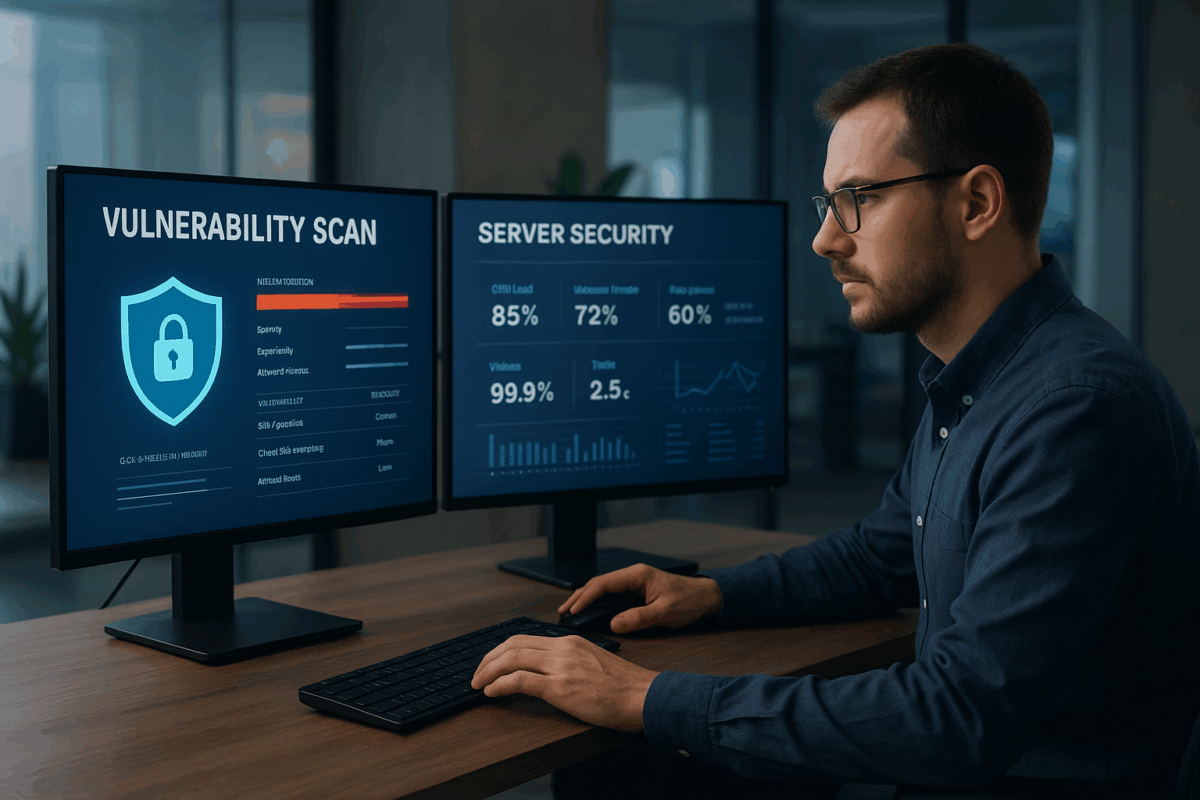
Website security is one of the most critical aspects of maintaining a successful online presence. As cyber threats continue to evolve, businesses of all sizes must protect their websites from malware, hacking attempts, data breaches, and unauthorized access. A secure website not only protects your data but also ensures customer trust, which directly influences your credibility and business growth.
Why website security matters
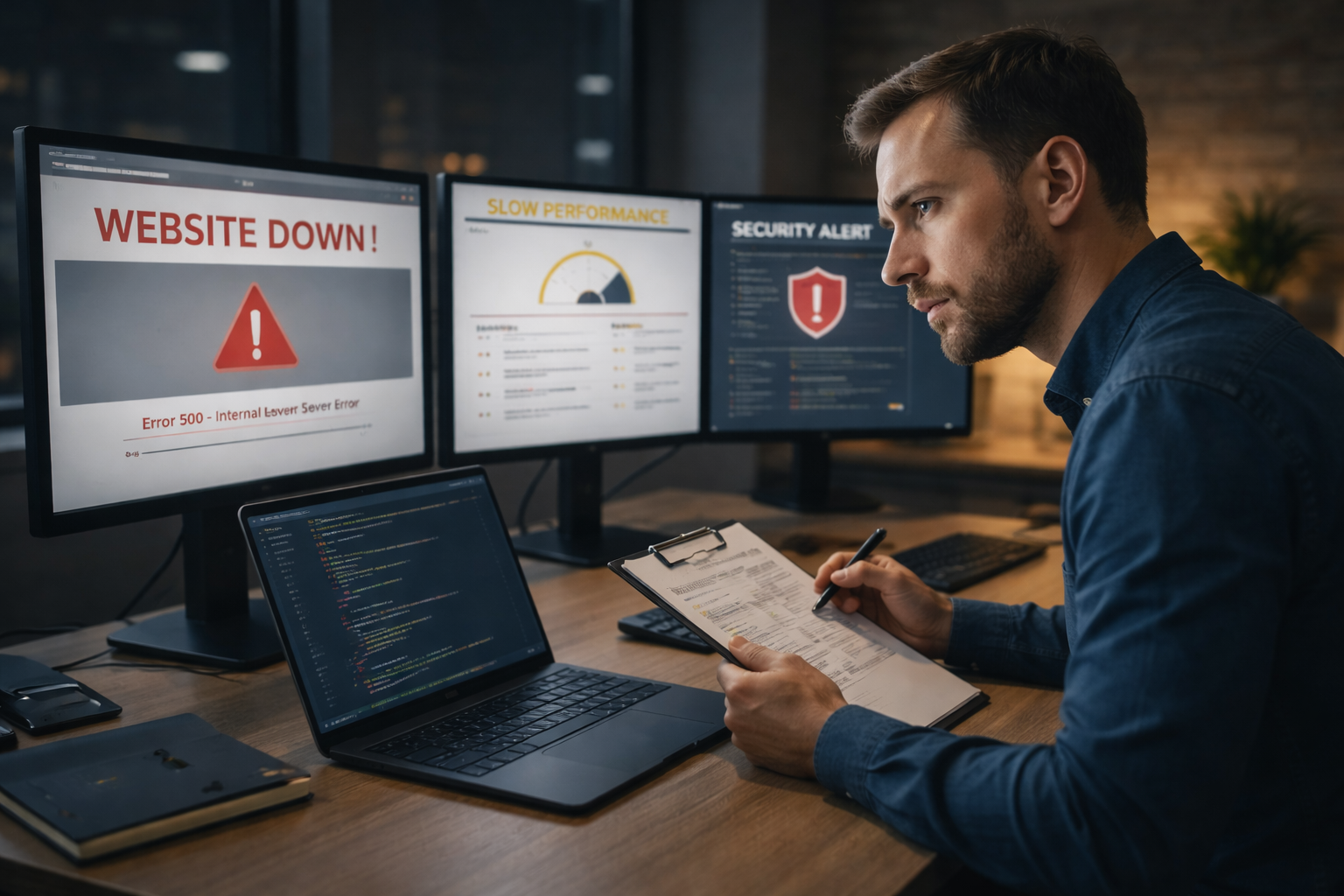
In 2025, cyberattacks are more advanced, automated, and widespread. Hackers target vulnerable websites to steal data, run phishing operations, inject malicious scripts, or even take full control of the site. Without proper security measures, websites can experience severe downtime, financial losses, and reputational damage. Additionally, Google penalizes insecure websites, affecting search engine rankings.
Common security threats websites face
- Malware and viruses: Harmful scripts that compromise data and inject spammy content.
- DDoS attacks: Overwhelming the server with traffic to make the website crash.
- SQL injections: Injecting malicious queries into databases to steal or modify data.
- Brute force attacks: Automated attempts to guess admin passwords.
- Cross-Site Scripting (XSS): Injecting harmful scripts through vulnerable forms or inputs.
Best security practices every business must follow
- Use an SSL certificate: Encrypt all data transferred between users and the server to protect sensitive information.
- Update your CMS, plugins, and themes regularly: Outdated software is the most common entry point for hackers.
- Enable a powerful firewall: A Web Application Firewall (WAF) filters harmful traffic before it reaches your server.
- Strong password policies: Use complex passwords and enable two-factor authentication for admin accounts.
- Regular malware scanning: Automated scanners detect and remove threats before they cause damage.
- Limit login attempts: Prevent brute-force attacks by restricting failed login attempts.
- Backup your website: Always maintain secure and automated backups stored offsite.
- Secure hosting environment: Choose a hosting provider offering server-level security and DDoS protection.
How regular security audits help
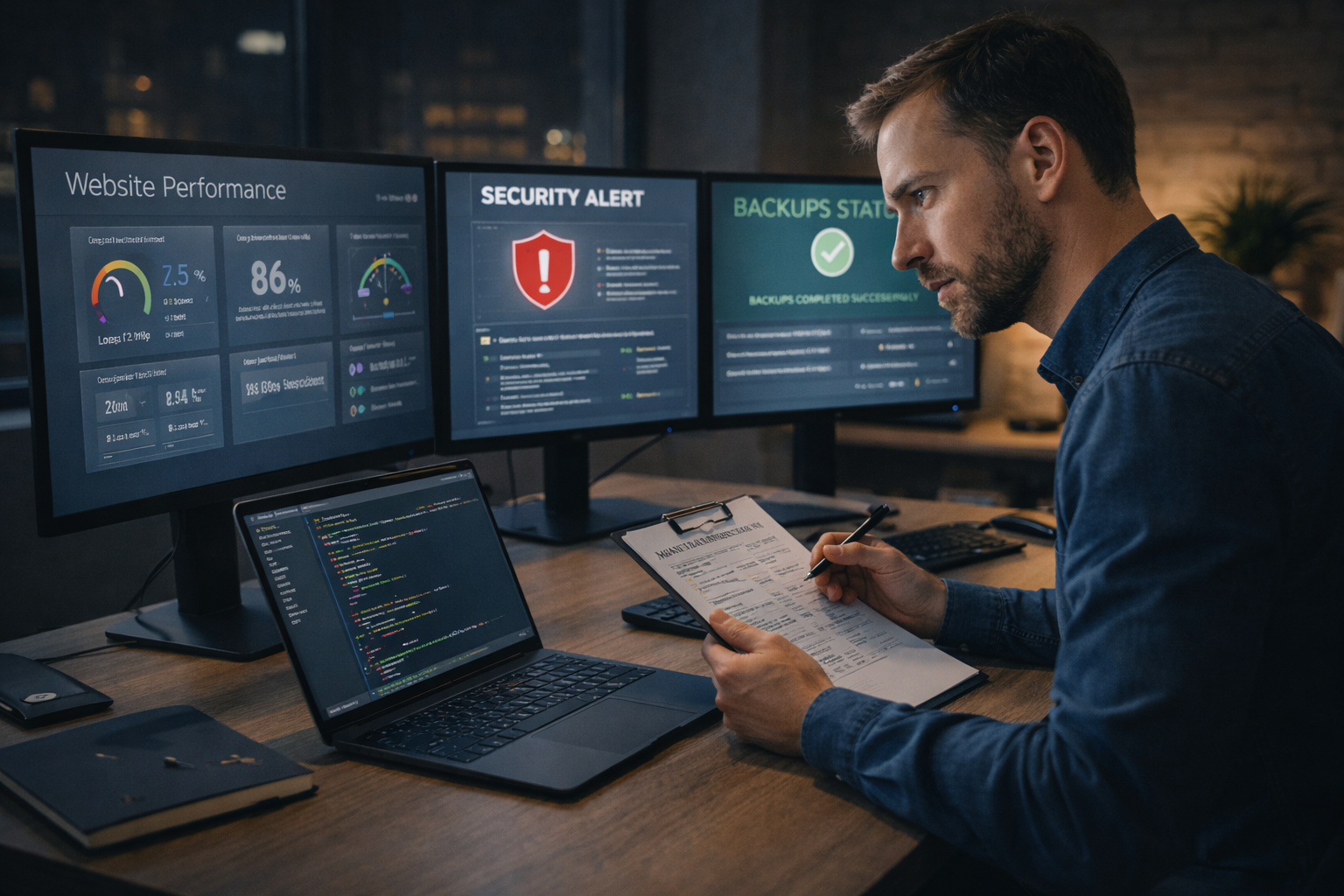
Conducting routine security audits enables businesses to identify vulnerabilities before hackers exploit them. These audits include scanning for outdated plugins, reviewing access logs, testing firewalls, checking permissions, validating backup systems, and analyzing server performance. A proactive security strategy ensures long-term website stability.
Future of website security
Advanced AI-driven threat detection, automated patching, biometric authentication, and zero-trust security models are becoming increasingly mainstream. Businesses that adopt these modern tools will be better equipped to protect customer data and maintain seamless online operations.
Conclusion
Website security is not a one-time setup—it’s an ongoing process. Businesses must stay vigilant, regularly monitor their systems, and constantly update their security measures. Implementing essential protection practices not only shields your website from threats but also enhances brand credibility and customer trust.